Skip to content

Health Blog

How Early Detection Improves Treatment Outcomes

How Early Detection Improves Treatment Outcomes

  • by

Early detection of health conditions plays a critical role in improving treatment success and long-term outcomes. Identifying diseases or medical issues in their initial stages allows for timely intervention, often preventing complications, slowing progression, and… 
How Rest Days Support Muscle Recovery

How Rest Days Support Muscle Recovery

  • by

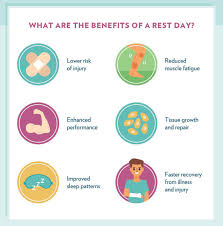
In fitness routines, rest days are just as important as workout days. While exercising stimulates muscle growth and improves endurance, rest days allow the body to repair, strengthen, and adapt. Skipping rest can hinder progress,… 

Importance of Flexibility and Mobility

Importance of Flexibility and Mobility

  • by

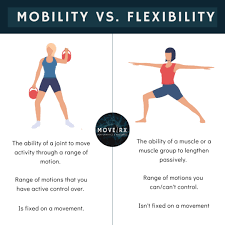
Flexibility and mobility are essential components of overall fitness, yet they are often overlooked in exercise routines. While strength and cardio are commonly emphasized, maintaining joint range of motion and muscle elasticity is crucial for… 

Difference Between Strength Training and Cardio

Difference Between Strength Training and Cardio

  • by

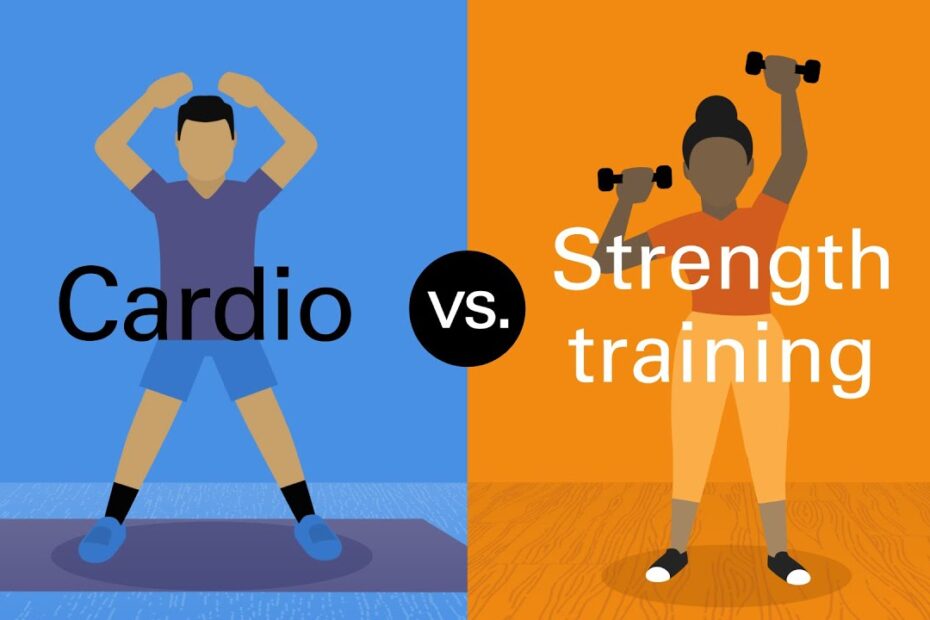
Exercise comes in many forms, but two of the most common types are strength training and cardio (aerobic exercise). While both improve health and fitness, they target different systems in the body and offer unique… 

How Regular Exercise Improves Heart Health

How Regular Exercise Improves Heart Health

  • by

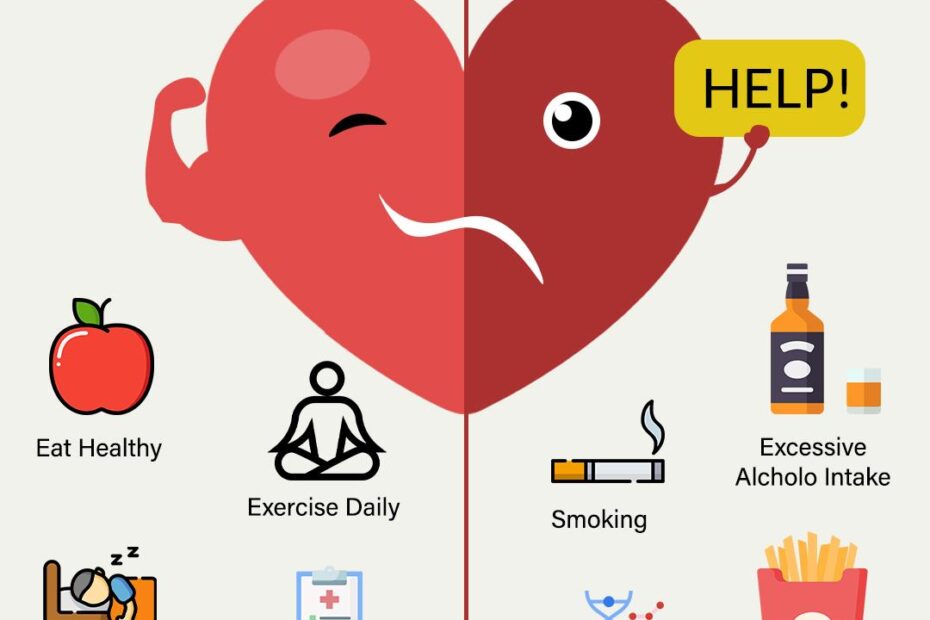
Regular physical activity is one of the most effective ways to support heart health and prevent cardiovascular disease. Exercise strengthens the heart muscle, improves circulation, and helps maintain healthy blood pressure and cholesterol levels. Beyond… 

How Mindfulness Improves Mental Well-Being

How Mindfulness Improves Mental Well‑Being

  • by

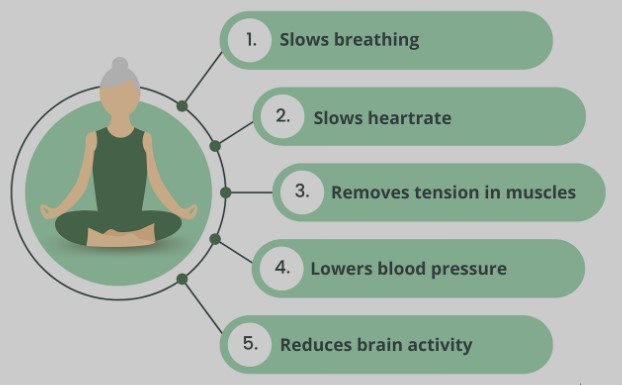
In today’s fast‑paced world, many people struggle with stress, anxiety, and emotional overwhelm. Mindfulness—the practice of paying intentional, nonjudgmental attention to the present moment—has emerged as a powerful way to support mental well‑being. Scientific research… 

Importance of Sleep for Emotional Regulation

Importance of Sleep for Emotional Regulation

  • by

Sleep is essential—not just for physical restoration, but also for emotional well-being. A good night’s rest helps the brain regulate mood, process emotions, and cope with stress. When sleep is disrupted or insufficient, emotional balance… 

Difference Between Stress, Anxiety, and Depression

Difference Between Stress, Anxiety, and Depression

  • by

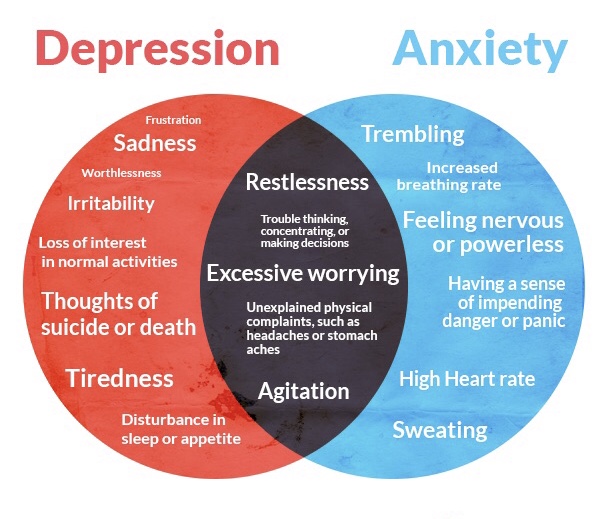
Stress, anxiety, and depression are terms that are often used interchangeably, but they are distinct emotional and psychological experiences. While they can be related and even overlap, each has different causes, symptoms, and ways of… 

How Chronic Stress Impacts the Brain and Body

How Chronic Stress Impacts the Brain and Body

  • by

Stress is a normal part of life—short bursts can improve performance and focus. But when stress becomes chronic, lasting for weeks, months, or years, it triggers a cascade of changes that affect both the brain… 

How Hydration Affects Physical and Mental Performance

How Hydration Affects Physical and Mental Performance

  • by

Hydration plays a vital role in nearly every system of the body. From powering muscles during physical activity to supporting cognitive function and mood, maintaining proper fluid balance is essential for optimal physical and mental…